
A way of practicing engineering, now an institution.
The idea of creating CIM has its origin in the career, professional legacy and mentorship of engineer Daniel Ruiz Fernández (1927–2020). Over more than seven decades he took part in some of Mexico's most significant works, institutions and infrastructure programs.
His contribution was not confined to one specialty: it consisted of gathering knowledge, building teams, coordinating disciplines and turning complex decisions into a single technical direction.
For fifteen years, Diego Olvera Ruiz, founding member of CIM, worked directly with Daniel Ruiz Fernández. From that experience came the idea that would later lead to the formation of CIM: to give institutional form to a way of working that integrates knowledge and approaches projects as a whole.
From a professional legacy to a lasting institution.
CIM brings together firms, engineers and specialists with established track records of their own. They are the ones who build the model, with their experience, participation and technical judgment, within a structure of integration, independence and technical governance.
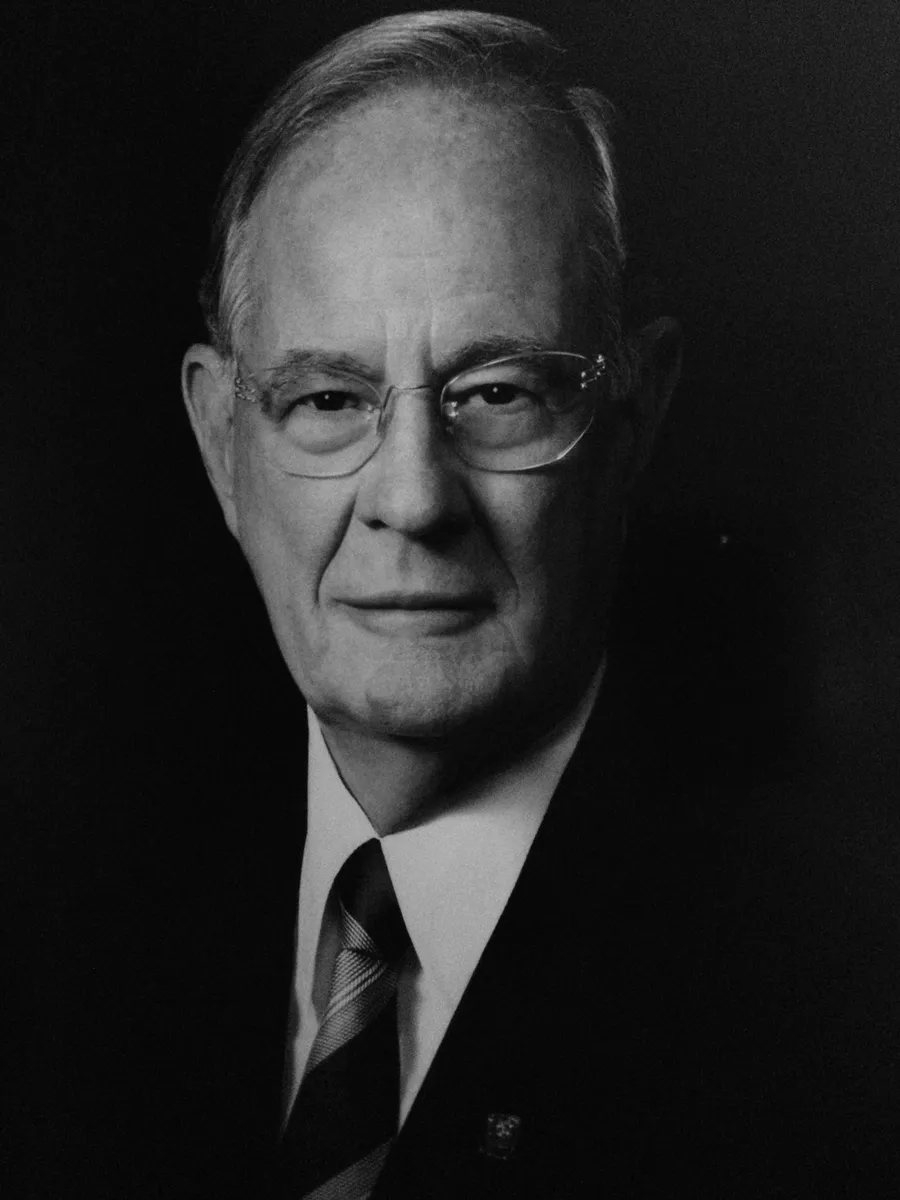
National Civil Engineering Award, 2003.
It was never about adding up specialists, but about making their knowledge work as a single system.
Daniel Ruiz Fernández’s professional career
- 01
Building modern Mexico
His professional career began on works that defined a new era of Mexican infrastructure: Ciudad Universitaria, including the Torre de Ciencias, several faculties and the Olympic Stadium, the Federal District slaughterhouse and cold-storage plant, La Merced Market, the Magdalena Mixhuca sports complex and other urban works.
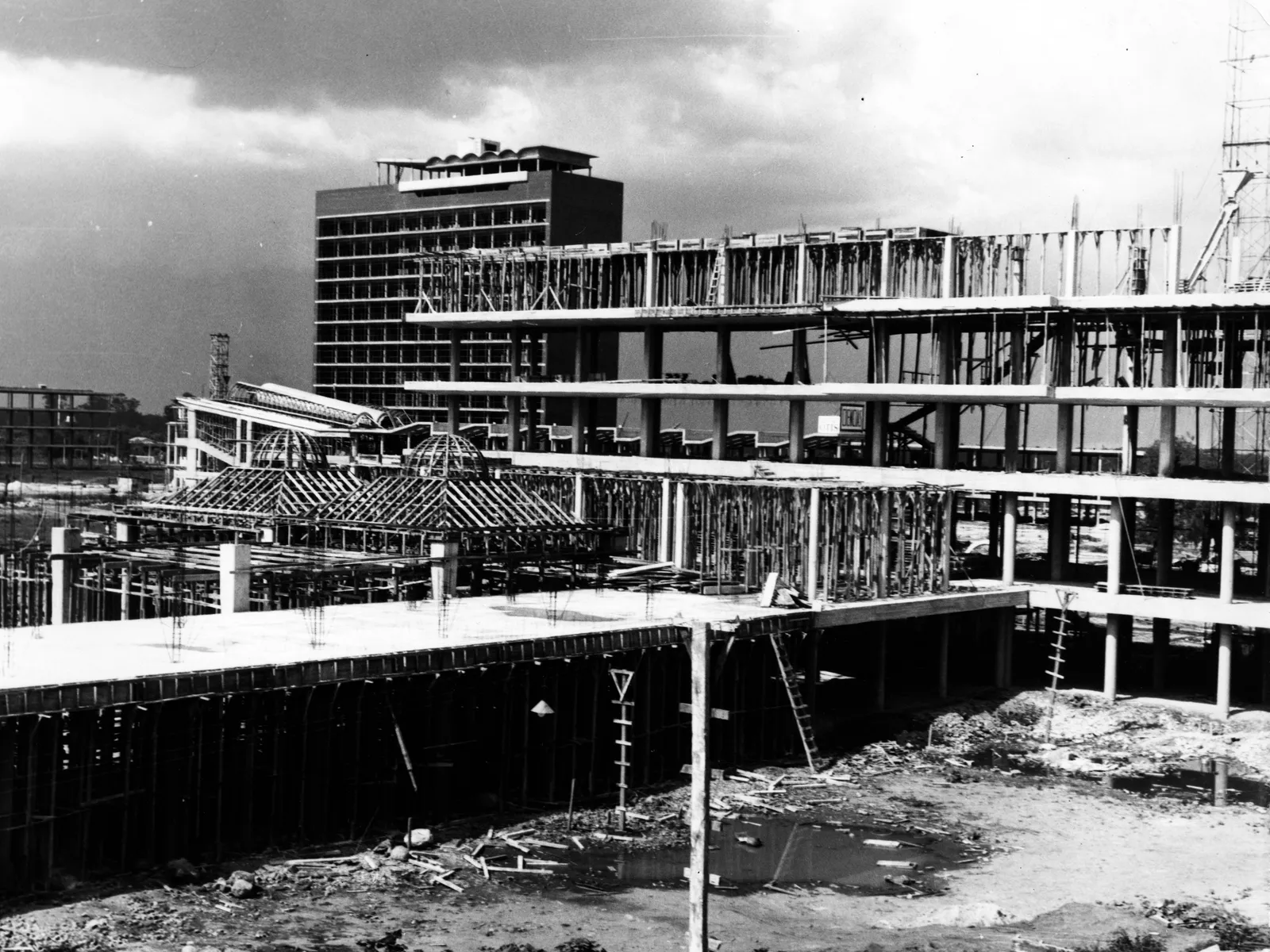
Ciudad Universitaria under construction, with the Torre de Ciencias in the background, 1950–1954. Fundación ICA collection. - 02
National and Olympic infrastructure
He took part in developing venues for the 1968 Olympic Games, among them the Palacio de los Deportes, the Olympic Pool and Gymnasium and the Velodrome. He was also involved in developing airport terminals in cities such as Tijuana, Mexicali, Guadalajara, Acapulco, Monterrey, Mérida and Veracruz.
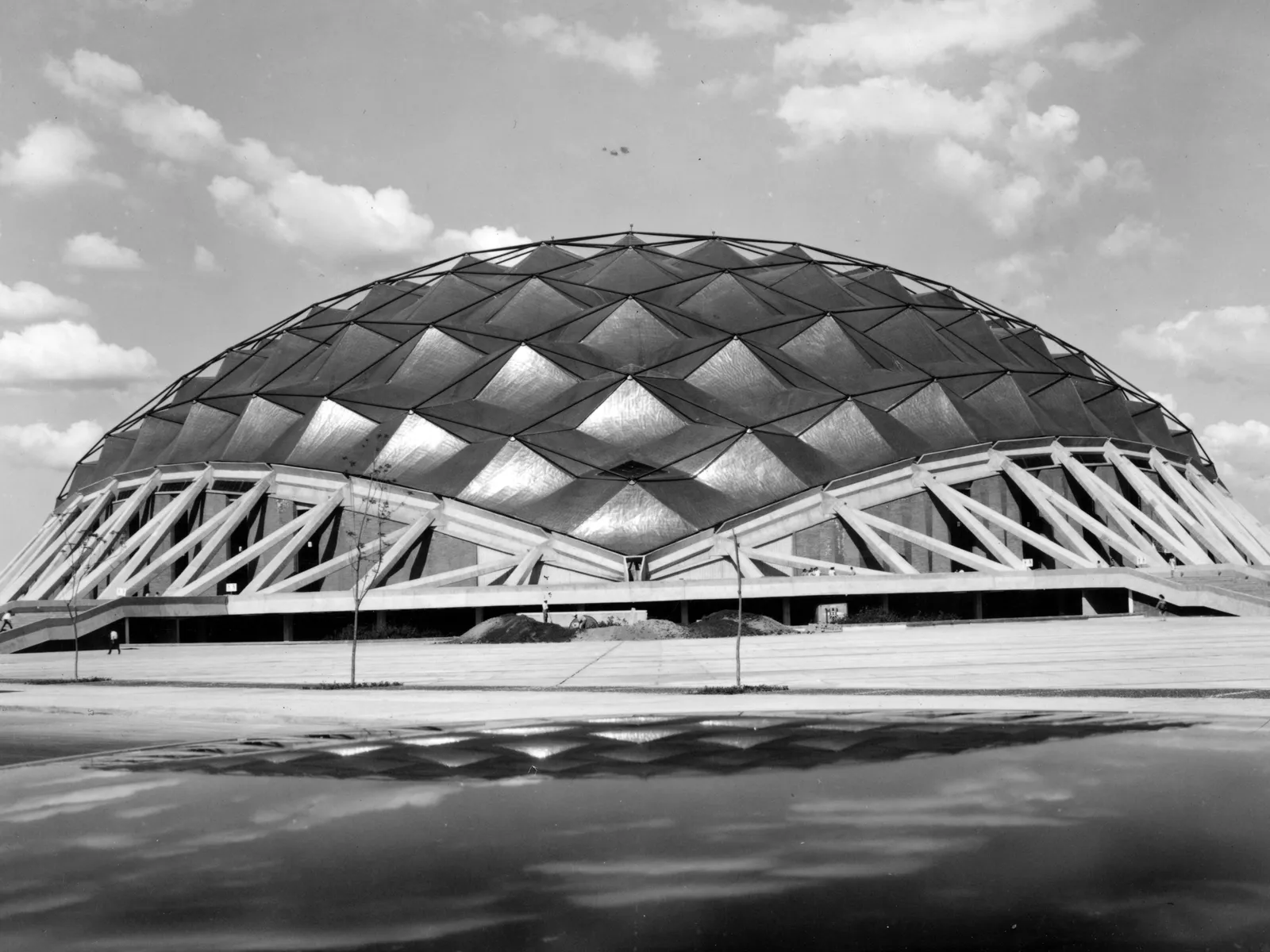
Palacio de los Deportes, Mexico City, 1968. Fundación ICA collection. - 03
Research, planning and education
As director of the Institute of Engineering and director general of Planning at UNAM, he strengthened the link between research, infrastructure and public decisions. He later headed the Administrative Committee of the Federal School Construction Program (CAPFCE), from which he led one of the most extensive school-infrastructure programs in Mexico.
- 04
Transforming Mexico City
As Secretary of Works and Services of the Department of the Federal District he was responsible for programs and works such as Metro lines 8, A and part of line B, the Deep Drainage system, road works on the Periférico and Calzada Ignacio Zaragoza, an extensive network of interchanges, water infrastructure, urban facilities and the ecological recovery of Xochimilco.
- 05
The contemporary chapter
In his later years he went on taking part in large-scale projects, among them Centro Banamex, Plaza Carso, Museo Soumaya, Plaza Mariana, Ciudad Jardín Bicentenario, the Mexipuerto Ciudad Azteca transit hub and a range of hospital, retail, cultural and urban works.
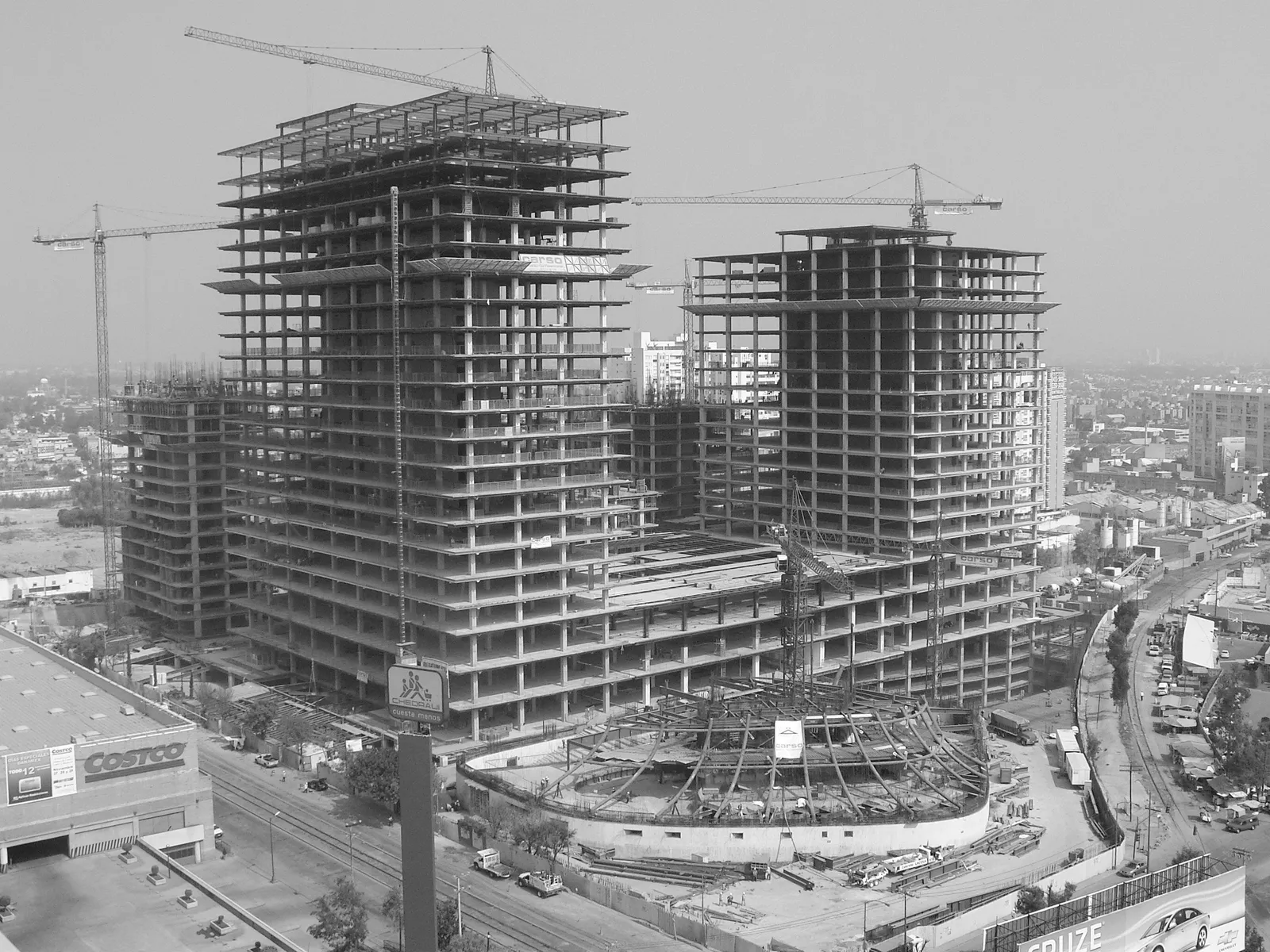
Plaza Carso under construction, Mexico City. Family archive.